What our Fairfield gas line installation service includes
Natural gas and liquid propane provide efficient, high-output thermal energy for residential heating, cooking, and emergency power. However, because gas leaks present immediate fire and carbon monoxide hazards, any modification to your home's gas distribution system must be executed with exacting technical discipline.
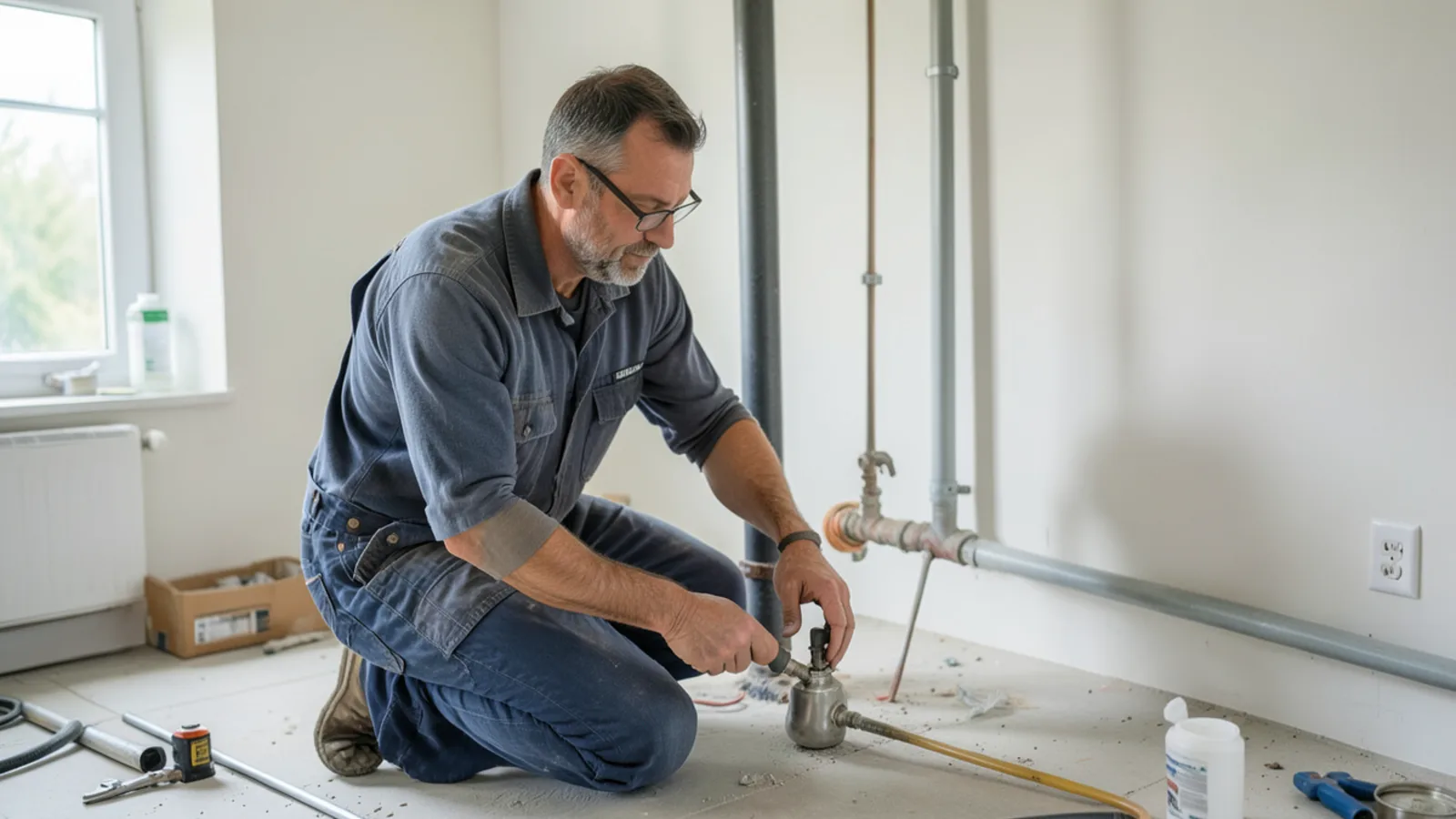
Our licensed gas piping technicians manage your project from initial appliance demand calculations through final municipal inspection. We work in full compliance with national fuel gas standards, ensuring your appliances receive balanced fuel volume under peak winter operating conditions.
- Total connected appliance BTU load calculations and supply manifold pipe diameter sizing
- Installation of heavy-duty Schedule 40 black iron piping and certified CSST flexible gas tubing
- Direct electrical bonding of CSST systems to the home grounding electrode system
- High-volume fuel supply lines for whole-home standby generators, hydronic boilers, and pool heaters
- Underground polyethylene gas line trenching and anodeless riser installation for outdoor fire pits
- Installation of code-mandated sediment traps (dirt legs) and full-port quarter-turn gas cocks
- Town of Fairfield Building Department mechanical permit filing and municipal pressure test sign-off
Need assistance with gas line installation?
Speak directly with our Sherman St dispatch team for prompt service.
High-output gas piping for automatic standby generators
Frequent coastal storms, winter nor'easters, and summer tropical systems make whole-home standby generators a popular investment across Fairfield, Southport, and Greenfield Hill. However, an automatic standby generator is one of the highest fuel-consuming appliances in a residential home, frequently demanding 200,000 to 350,000 BTUs per hour under full electrical load.
Tying an emergency generator into an existing half-inch or three-quarter-inch gas line will starve your indoor heating boiler and water heater when temperatures drop below freezing. Our technicians evaluate your gas meter capacity with Southern Connecticut Gas (SCG), upgrade meters from standard 250 CFH to 400 CFH models when required, and install dedicated 1-inch or 1-1/4-inch high-volume gas lines from the meter directly to the generator pad.
Rigid black iron versus corrugated stainless steel tubing
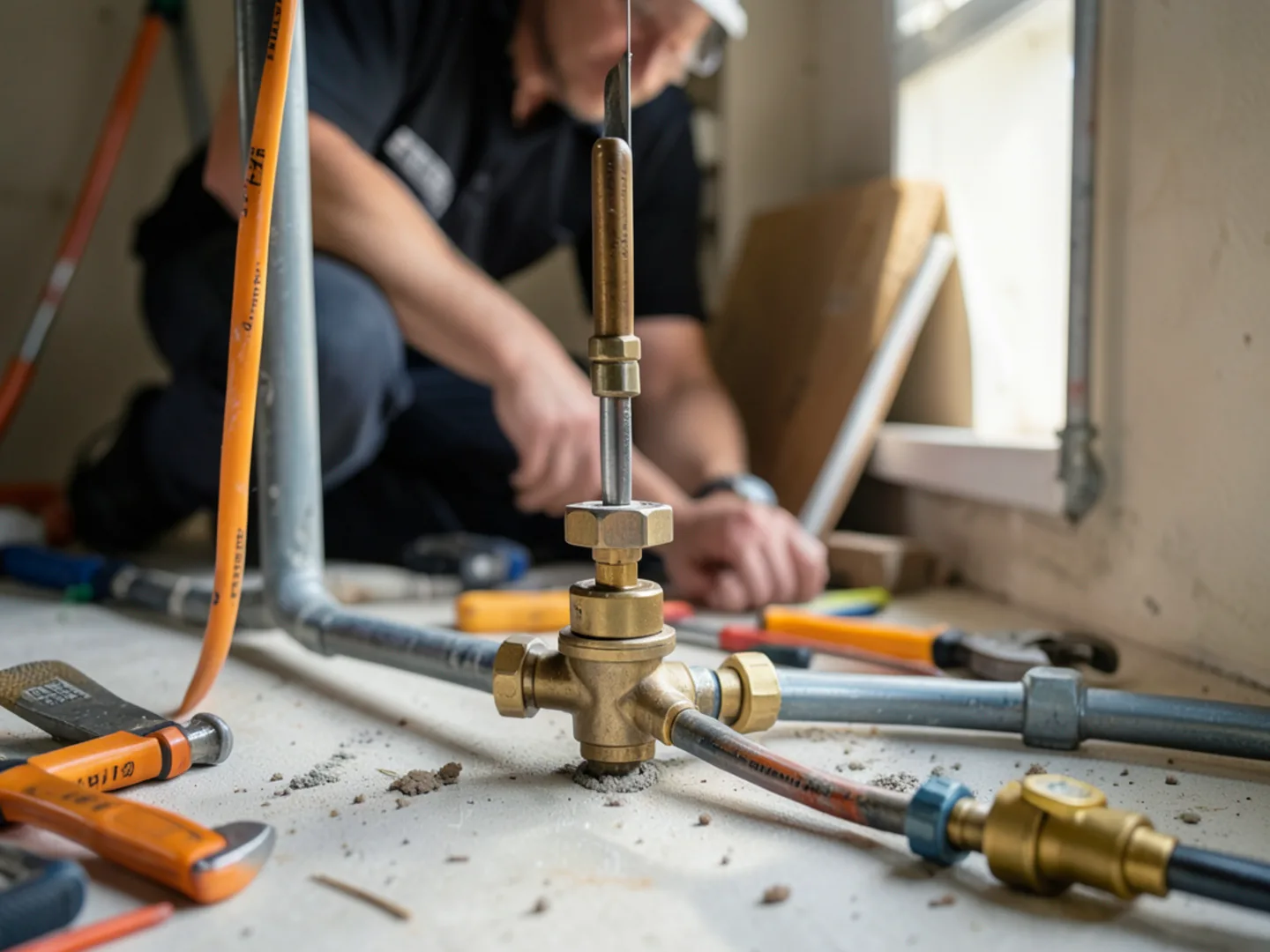
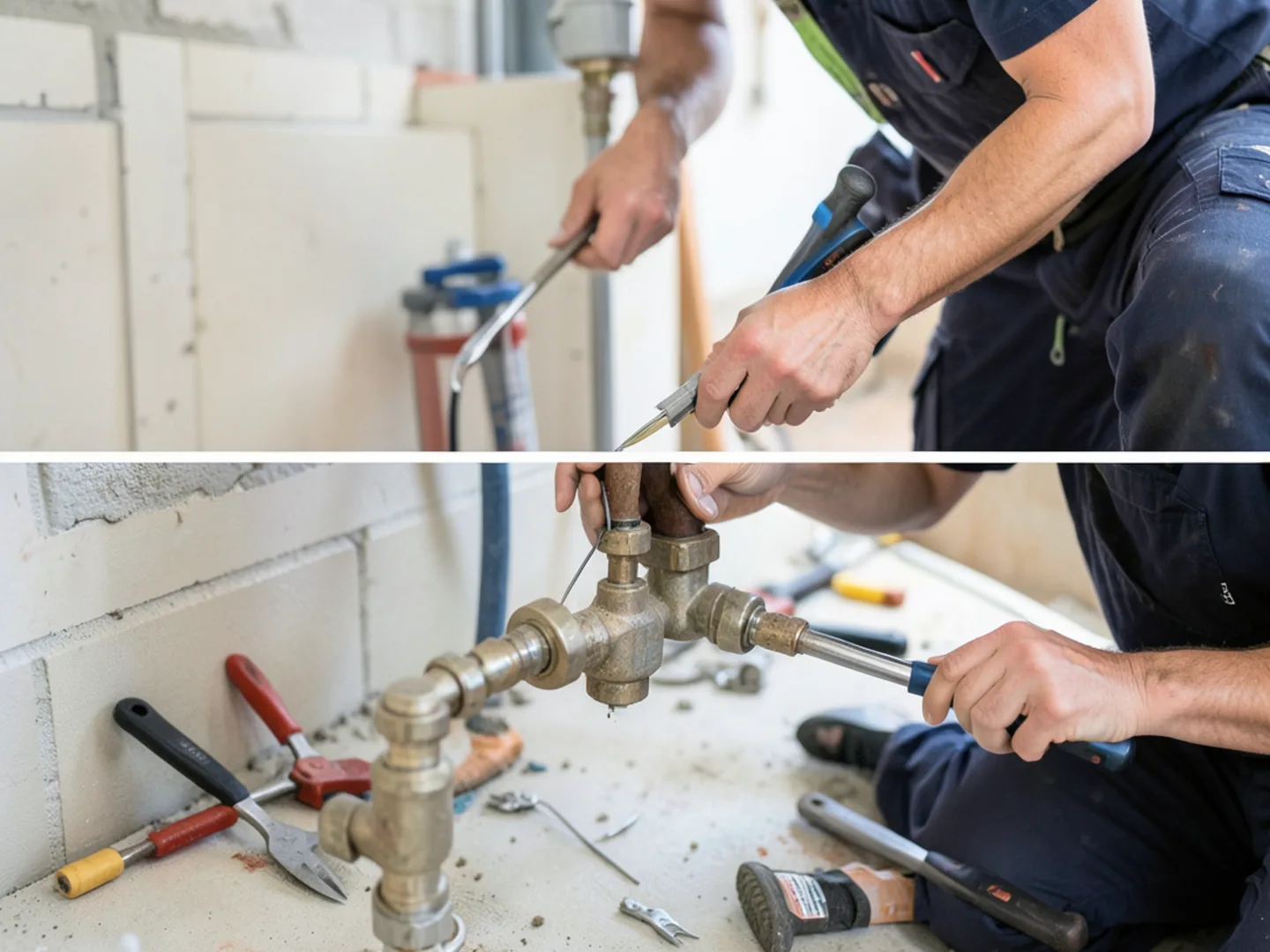
We engineer gas distribution systems using the optimal material for each structural environment. Threaded Schedule 40 black iron pipe remains the premier choice for exposed basement utility rooms, boiler connections, and outdoor meter manifolds, offering unmatched physical durability and impact resistance.
For routing through finished walls, floor joists, and multistory interior chases, Corrugated Stainless Steel Tubing (CSST)—such as TracPipe and Gastite—provides exceptional routing versatility. Because CSST is flexible, our technicians fish continuous runs through framing with minimal drywall cutting. In strict compliance with 2021 International Fuel Gas Code (IFGC) Section 310.2, our technicians directly bond yellow CSST systems to your home's electrical grounding electrode using heavy 6 AWG copper wire to prevent lightning energy from arcing through and perforating the tubing wall.
Outdoor living gas piping: pool heaters, fire tables, and patio kitchens
Expanding your outdoor living space with a luxury fire table, built-in barbecue island, or high-capacity gas pool heater requires dedicated underground piping. We install underground medium-density polyethylene (MDPE) gas pipe buried at a minimum depth of 18 to 24 inches over a smooth sand bed, accompanied by a continuous insulated copper tracer wire that allows future electronic line locating.
Where the underground pipe transitions above grade to connect to your grill or fire feature, we install factory-welded steel anodeless transition risers that eliminate underground mechanical joints and shield the fuel line from physical damage, garden tools, and ultraviolet degradation.
Step-by-step professional gas line installation process
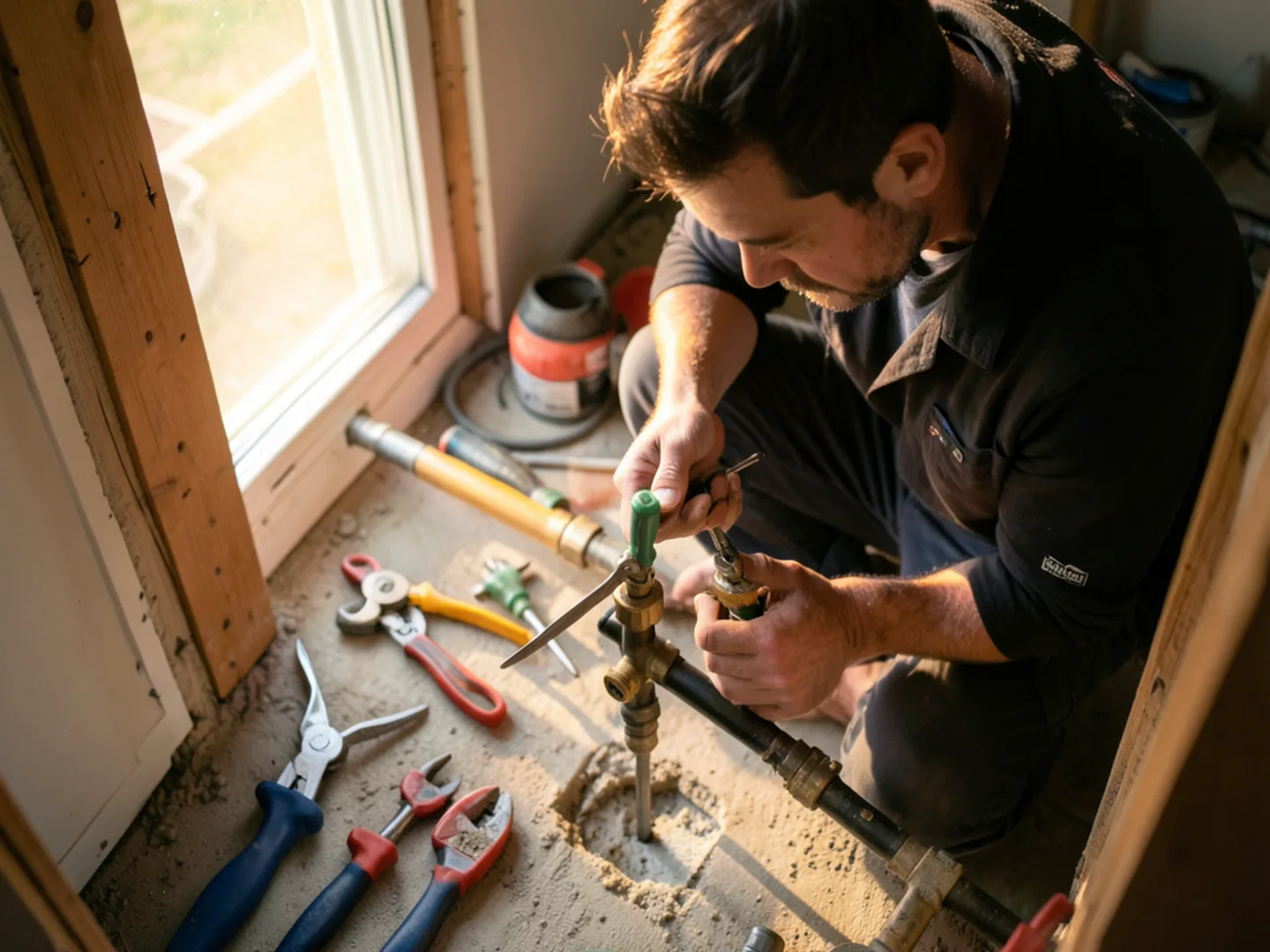
1. Load Sizing and Infrastructure Evaluation: We calculate the total BTU demand of all existing and proposed gas appliances, assess supply line lengths, and verify gas meter regulator pressure.
2. Safety Isolation and Capping: We shut off the main gas service valve at the meter, vent residual gas safely, and test existing manifolds for static pressure integrity.
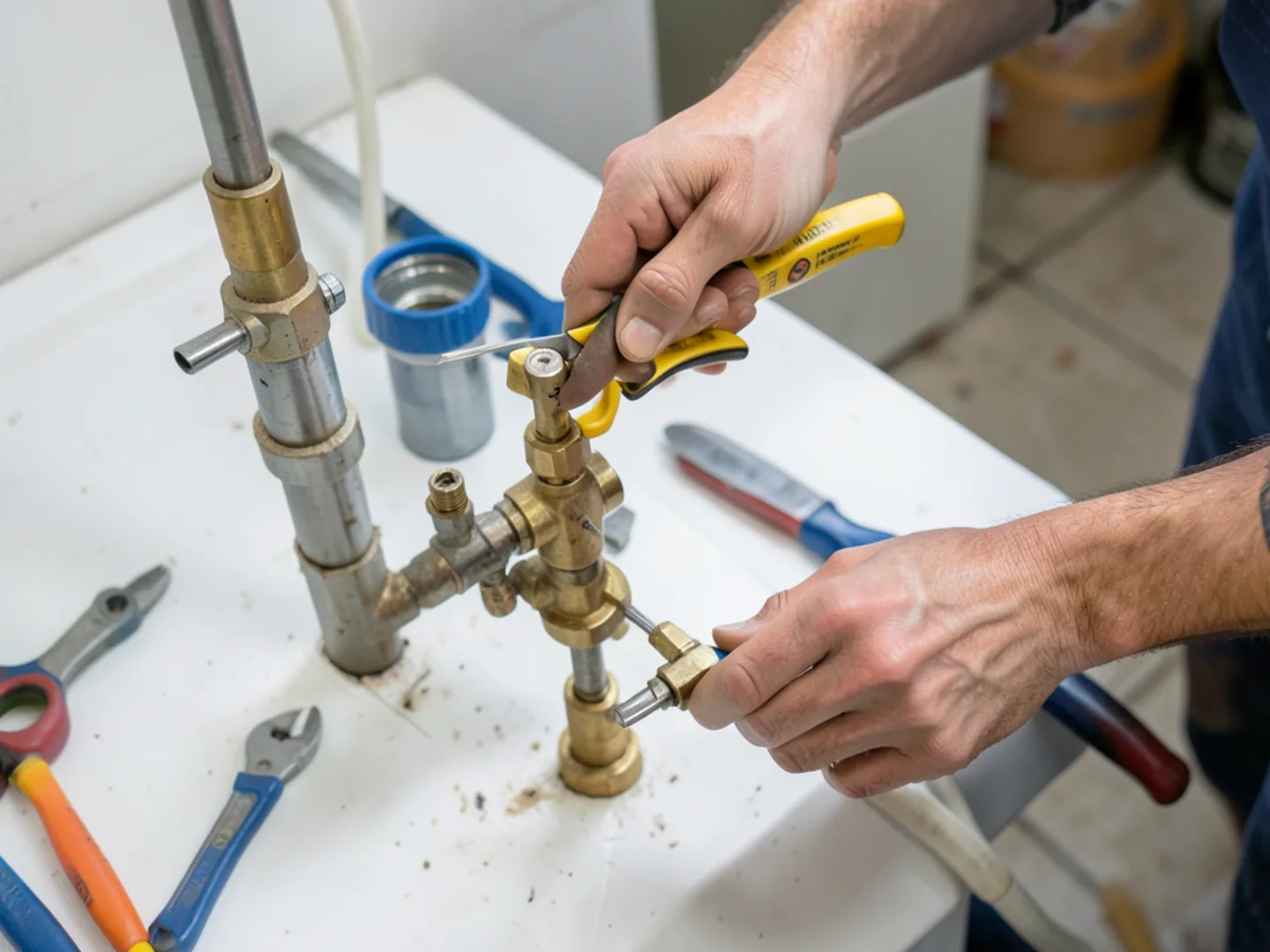
3. Mechanical Fabrication and Pipe Assembly: We cut and thread rigid black iron pipe using specialized power threaders, apply anaerobic gas-rated pipe sealant, or route certified CSST tubing with factory mechanical fittings.
4. Sediment Traps and Shutoff Valves: We install code-required dirt leg sediment traps upstream of every appliance connection and place accessible brass quarter-turn gas shutoff cocks within six feet of each unit.
5. High-Pressure Decay Testing and Municipal Inspection: We seal the new gas piping system, pressurize it with compressed air to 10 to 15 PSI on a calibrated test gauge, and host the Town of Fairfield mechanical inspector for official sign-off.
6. Utility Commissioning, Purging, and Sniffer Verification: We bleed air from the fuel lines safely, light appliance pilot assemblies, verify burner manifold pressure with a digital manometer, and test all joints with electronic combustible gas sniffers.
Town of Fairfield building permits and NFPA 54 fuel codes
The Town of Fairfield Building Department, based at Sullivan Independence Hall (725 Old Post Rd), strictly requires mechanical and plumbing permits for all fuel gas installations and line extensions. This mandatory oversight enforces compliance with the 2022 Connecticut State Building Code (incorporating the 2021 International Fuel Gas Code) and NFPA 54 National Fuel Gas Code.
Municipal regulations require every new gas pipe installation to pass a visual inspection and an extended pressure test holding at least 10 PSI on a calibrated test gauge with zero pressure decay. Our Sherman Street office manages permit submissions, provides licensed contractor credentials, and attends the municipal pressure test with town building officials.
Transparent pricing factors for gas line installations
Gas piping costs in Fairfield depend on linear pipe distance, pipe diameter, framing access, and appliance fuel requirements. Adding a short gas line branch for an indoor kitchen range or clothes dryer typically ranges between $450 and $950.
A high-volume gas supply run for an automatic standby generator generally costs between $1,200 and $2,800 depending on meter distance and whether piping is run along basement ceilings or trenched through the lawn. Long underground trenching runs for pool heaters, outdoor fire tables, or detached garage heaters generally range from $1,500 to $3,500. Gas leak diagnosis and localized repair typically ranges from $250 to $750. We provide upfront, flat-rate written estimates before starting work.
Why Fairfield property owners choose our Sherman Street team
Headquartered at 140 Sherman St in downtown Fairfield, our licensed plumbers and gas fitters live and work in the community. We maintain advanced digital combustible gas detectors, calibrated pressure manometers, power threading machines, and factory certifications for major CSST brands.
We never take shortcuts with fuel gas safety. We treat your property with complete care, keep work areas clean, coordinate smoothly with Southern Connecticut Gas, and guarantee code-compliant installations.
Frequently asked questions about gas line installation
If you smell a strong rotten-egg sulfur odor, evacuate everyone from the house immediately. Do not operate light switches, touch electrical appliances, or use your phone inside. Once outside and safely away from the structure, call Southern Connecticut Gas or dial 911.
Related plumbing services
Water Heater Installation
When your water heater shows signs of age, corrosion, or inadequate capacity, our Sherman Street team provides prompt replacement. We install high-efficiency atmospheric gas tanks, power-vent units, and hybrid heat pump storage systems engineered for Fairfield County coastal conditions.
Water HeatersTankless Water Heater Installation
Upgrade your home to high-efficiency on-demand hot water technology. Our Sherman Street plumbing team designs, sizes, installs, and services condensing tankless water heaters that deliver continuous hot water, free up valuable basement square footage, and cut household utility consumption across Fairfield County.
EmergencyEmergency Plumbing
When an active plumbing catastrophe strikes your home—from a burst supply line flooding a ceiling to raw sewage backing up into a basement—our Sherman Street dispatch team responds promptly to stop water damage, isolate electrical hazards, and restore safe domestic water.
Remodeling & RoomsKitchen Plumbing
Planning a complete kitchen renovation, relocating an island sink, adding a high-output gas range, or roughing in a prep basin? Operating from Sherman Street in downtown Fairfield, our licensed master plumbers deliver code-compliant rough-in and finish plumbing craftsmanship that coordinates smoothly with general contractors across Fairfield County.
Dispatched directly from Sherman St across our regional service territory: